Halal Food in Hanoi 2026: Halal Pho, Banh Mi and What Muslims Can Eat
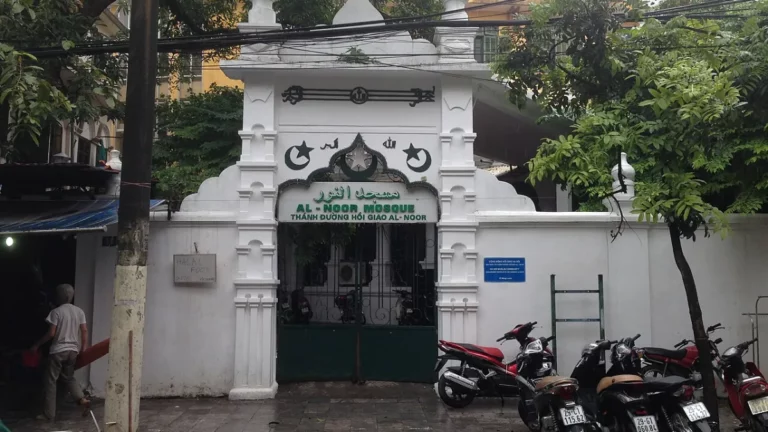
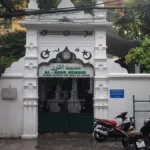
Can Muslims eat Vietnamese food in Hanoi? Yes, but not from ordinary street stalls. Most Hanoi favourites, from pho to banh mi, are cooked with pork, pork stock or non-halal beef, so the halal versions come from a small group of Muslim-run and halal-certified kitchens in the Old Quarter, around the Al-Noor Mosque on Hang Luoc Street. This guide explains which Vietnamese dishes are naturally safe, which ones to avoid, and where to eat halal pho, banh mi and noodles in Hanoi.
Last checked: October 2026. Restaurant details were checked against Google Maps and Tripadvisor listings and the restaurants’ own halal claims. For the full ranked list of halal restaurants in Hanoi with addresses, opening hours and maps, see our sister guide, Halal Restaurants in Hanoi by Area.
Is Vietnamese Food Halal? The Short Answer
Vietnamese food is not halal by default. Pork is the most common meat in the north, and it appears in places visitors do not expect: pork bone stock in noodle soups, lard for frying, pork pâté in banh mi, and pork sausage in fried rice and sticky rice. Beef and chicken served in ordinary restaurants are not slaughtered according to Islamic law, and some marinades use rice wine.
The good news is that Hanoi now has enough Muslim-run kitchens to eat almost every famous dish the halal way. Halal pho, halal banh mi, bun bo Nam Bo and spring rolls are all available within a few minutes’ walk of the mosque, and Malaysian, Indonesian, Arab and Pakistani restaurants fill the gaps.
Halal Food in Hanoi at a Glance: Which Dishes Are Safe?
| Dish | Halal in an ordinary restaurant? | Why | Where to eat it halal |
|---|---|---|---|
| Pho bo (beef pho) | No | Non-halal beef; stock may include pork bones | Pho Muslim, Halal Food Station, Kachi Kitchen, Zaynab |
| Pho ga (chicken pho) | No | Non-halal chicken | Pho Muslim, Kachi Kitchen |
| Banh mi | No | Pork pâté, ham, pork floss, pork belly | Halal Banh Mi Raja Express, Kachi Kitchen |
| Bun bo Nam Bo | No | Non-halal beef | Halal Food Station |
| Bun cha | No | Grilled pork patties and pork belly | Not served halal in the places we checked |
| Bun bo Hue | No | Pork knuckle and pork blood in the classic recipe | Only at Muslim-run kitchens that list it; ask first |
| Nem ran (fried spring rolls) | No | Usually minced pork filling | Kachi Kitchen, Zaynab, Muslim-run Vietnamese kitchens |
| Com rang (fried rice) | Rarely | Lard, pork sausage, shared woks | Halal Food Station, Kachi Kitchen |
| Cha ca (turmeric fish) | Fish only, not a halal kitchen | Shared kitchen; ask about oil and sauces | Your own judgement |
| Egg coffee | Yes, classic recipe | Coffee, egg yolk, sugar, condensed milk | Most cafés |
| Fresh fruit, coconut, juice | Yes | No meat or alcohol | Anywhere |
Halal Pho in Hanoi
Is pho halal?
Pho itself is just rice noodles in a long-simmered broth with herbs and spices such as star anise, cinnamon and charred ginger. It becomes halal or not depending on the meat and the bones in the pot. In Hanoi’s ordinary pho shops the beef is not halal and some cooks add pork bones for sweetness, so a bowl of “beef pho” from a street stall is not halal even if you see no pork in it.
Where to eat halal pho in Hanoi
- Pho Muslim, 22 Dong Xuan Street, facing Dong Xuan Market. Run by a Muslim family and open from early morning, so it is the easiest halal breakfast in the Old Quarter. Beef pho and chicken pho are the dishes to order.
- Halal Food Station, 23 Hang Cot Street, one street from the mosque. Muslim-owned; halal pho at lunch and dinner.
- Kachi Kitchen, in the alley at 58/2 Hang Dau Street. Run by a Vietnamese Muslim woman and her husband; pho bo, rolled pho (pho cuon) and other northern dishes made with halal meat.
- Zaynab, inside the Al-Noor Mosque grounds at 12 Hang Luoc. A small family kitchen, convenient after prayers; lunch and early evening only.
Ratings, opening hours and map links for each of these are in our full list of halal restaurants in Hanoi.
Halal Banh Mi in Hanoi

Banh mi is Vietnam’s French-style baguette sandwich: a crisp, airy roll filled with meat, pickled carrot and daikon, cucumber, coriander, chilli and sauce. The standard Hanoi fillings are pork-based (pâté, cold cuts, pork floss or grilled pork), and the bread is often spread with pork pâté even when you order something else, so ordinary banh mi carts are not an option for Muslim travellers.
Halal Banh Mi Raja Express, at 29 Hang Luoc Street directly opposite Al-Noor Mosque, makes halal banh mi with beef, chicken or kofta and is the quickest halal snack in the Old Quarter. Kachi Kitchen also serves halal banh mi. If you only want a taste, a tofu or egg banh mi from a vendor still carries a risk, because the same knife, board and pâté are used for every order.
Noodles: Bun Bo Nam Bo, Bun Cha and Bun Bo Hue

Bun bo Nam Bo is a dry noodle salad: rice vermicelli under stir-fried beef, bean sprouts, herbs, peanuts and fried shallots, dressed with a sweet fish-sauce dressing. Because there is no broth, it is one of the easiest dishes to make halal, and Halal Food Station on Hang Cot Street is the place travellers recommend most for it.
Bun cha, the grilled-pork-and-noodle lunch that made Hanoi famous, is made from pork patties and pork belly, so skip it. Bun bo Hue, the spicy noodle soup from central Vietnam, traditionally contains pork knuckle and congealed pork blood; eat it only where a Muslim-run kitchen lists its own version. Bun rieu (crab noodle soup) usually includes pork and tofu as well as crab, so it is not a safe swap.
Spring Rolls, Fried Rice and Rice Dishes

Nem ran (called cha gio in the south) are fried rice-paper rolls normally filled with minced pork, glass noodles and mushroom. Muslim-run Vietnamese kitchens in Hanoi, such as Kachi Kitchen and Zaynab, make them with chicken, beef or prawn. Fresh summer rolls (goi cuon) are more common in the south and often contain pork as well.
Com rang (fried rice) looks harmless but is often fried in lard or with Chinese pork sausage (lap xuong) in the same wok as every other order. Order fried rice only at halal restaurants. Plain steamed rice (com trang) with seafood or vegetables is the safest choice when you have no halal option nearby.
Fish, Seafood and Vegetarian Food

Cha ca, turmeric-marinated fish fried at the table with dill and spring onion, is one of Hanoi’s signature dishes and contains no meat. It is cooked in ordinary restaurants, though, which also serve beer and use shared pans and oil, and it comes with mam tom (fermented shrimp paste). Many Muslim travellers are comfortable eating it; stricter travellers should treat it like any non-halal kitchen.
Most Islamic scholars regard fish sauce (nuoc mam) and fermented shrimp paste as halal, since they are made only from seafood and salt. Seafood restaurants on Hanoi’s West Lake are an option for travellers who eat seafood from non-halal kitchens. Buddhist vegetarian restaurants (look for the words com chay or quan chay) serve no meat at all, but some use mock meat flavoured with additives and a few also sell beer.
Drinks: Egg Coffee, Tea and Fresh Juice

Hanoi’s egg coffee (ca phe trung) is strong Vietnamese coffee topped with egg yolk whipped with sugar and condensed milk. The classic recipe has no meat and no alcohol. Some cafés also serve cocktails, beer or liqueur-flavoured coffee, so read the menu before ordering a speciality. Vietnamese drip coffee (ca phe phin), iced coffee with condensed milk (ca phe sua da), lotus tea, fresh sugar-cane juice, coconut water and fruit shakes are all safe. Avoid anything labelled ruou (alcohol), bia (beer) or “rice wine”.
Halal Food from Other Cuisines in Hanoi
When you want a break from Vietnamese flavours, Hanoi’s halal scene is strongest in Southeast Asian, Middle Eastern and South Asian cooking:
- Malaysian and Indonesian: d’LIONS at 92 Le Duan holds a halal certificate from Halal Vietnam (HVN), first issued in 2012; Batavia on Ngoc Ha Street near the Ho Chi Minh Mausoleum cooks Indonesian food with a Muslim head chef; Sanur Resto on Tong Duy Tan Street mixes Malay and Vietnamese halal dishes.
- Middle Eastern: Yalla Kebab & Grill for late-night shawarma in the Old Quarter, Oliva for home-style Palestinian maqluba on Hang Buom Street, and a cluster of Egyptian and Lebanese kitchens (Habibi, Alsultan, Baraka) in Tay Ho by West Lake.
- Pakistani and Indian: Muslim-owned Raza’s on Hang Phen, Khan Baba Halal on Yen Thai Street, and Nan n Kabab on Lo Ren Street and Xuan Dieu.
Hanoi also has many well-known Indian restaurants that use halal meat but serve beer and other alcohol. We list them separately, with their ratings, in the Hanoi halal restaurant directory so you can decide for yourself.
Vietnamese Words and Phrases for Halal Eating
| Vietnamese | Meaning | Why it matters |
|---|---|---|
| thịt lợn / thịt heo | pork (north / south) | The word to look for on menus |
| mỡ lợn | lard | Used for frying and in some pastries |
| giò, chả, pate, lạp xưởng | pork sausage, pork loaf, pâté, Chinese sausage | Hidden in banh mi, noodle soups and fried rice |
| xương ống | marrow bones | Often pork bones in noodle broth |
| tiết | blood | In bun bo Hue and some soups |
| rượu / bia | alcohol / beer | Rice wine is used in some marinades |
| Tôi ăn đồ halal. | I eat halal food. | Show this to staff |
| Không thịt lợn, không rượu. | No pork, no alcohol. | Useful at hotels and cafés |
| Có giấy chứng nhận halal không? | Do you have a halal certificate? | Ask before you sit down |
These phrases help, but saying “no pork” does not turn an ordinary kitchen into a halal one. For meat dishes, choose a Muslim-run or halal-certified restaurant.
How Halal Certification Works in Vietnam
Vietnam has a national halal standard for food, TCVN 12944:2020, and since 2024 a state halal certification centre, HALCERT, under the Ministry of Science and Technology. Private bodies such as Halal Vietnam (HVN) also certify restaurants, hotels and food producers. From 1 June 2026, Decree 127/2026/ND-CP added government support policies for the halal industry. In practice, only a handful of Hanoi restaurants hold a restaurant certificate (in October 2026: d’LIONS, HVN2024-20; Hanoi Halal Restaurant in Phu Dien, HVN-OIC/SMIIC-2025-201; and the Old Quarter branch of Nan n Kabab, HVN-OIC/SMIIC-2026-253); most halal kitchens are simply Muslim-owned and buy halal meat from certified suppliers.
When you arrive at a restaurant, look for the certificate on the wall and check the company name, address and expiry date. If there is no certificate, ask who owns the restaurant, where the meat comes from and whether alcohol is served. A Muslim-owned kitchen that serves no alcohol is the standard most Muslim travellers in Hanoi rely on. Our guide to Islam and Muslim travel in Vietnam explains the wider picture.
A One-Day Halal Food Plan in Hanoi
- Breakfast: beef or chicken pho at Pho Muslim on Dong Xuan Street, then a walk through Dong Xuan Market.
- Mid-morning: egg coffee in the Old Quarter, or a fresh coconut by Hoan Kiem Lake.
- Lunch: bun bo Nam Bo or fried rice at Halal Food Station on Hang Cot, a minute from Al-Noor Mosque.
- Snack: a halal banh mi from Raja Express opposite the mosque to carry on a walking tour.
- Dinner: Malaysian food at d’LIONS near the Temple of Literature, Indonesian rendang at Batavia, or shawarma and grills in the Old Quarter.
Halal Food Elsewhere in Vietnam
Hanoi is easier for halal eating than most of northern Vietnam, but Ho Chi Minh City has the country’s largest Muslim community. Plan ahead with our guides to halal food in Ho Chi Minh City, halal food in Da Nang and Hoi An, halal food in Halong Bay and halal food in Sapa. Outside the big cities, halal restaurants are rare, so pack snacks or book a tour that arranges meals for you.
Halal Meals on Our Vietnam Muslim Tours
On our private Hanoi Muslim tours, included meals are booked at halal-certified or Muslim-run restaurants. The Hanoi City Muslim Tour 1 Day includes a halal lunch and a visit to Al-Noor Mosque, the only mosque in northern Vietnam. Shared Halong Bay day cruises and some overnight cruises have no halal kitchen, and we tell you before you book which options we can offer on the Hanoi – Halong Bay Muslim Tour 1 Day. Contact us for a free itinerary with halal meals planned day by day.
Frequently Asked Questions about Halal Food in Hanoi
1. Is it easy to find halal food in Hanoi?
Yes, in the Old Quarter. More than a dozen Muslim-run or halal-certified restaurants are within walking distance of Al-Noor Mosque on Hang Luoc Street, and a second group is in Tay Ho by West Lake. Outside central Hanoi, halal food is hard to find.
2. Is pho halal?
Pho is only halal when the meat and bones in the broth are halal. Ordinary pho shops in Hanoi use non-halal beef and sometimes pork bones, so eat pho at Muslim-run kitchens such as Pho Muslim, Halal Food Station, Kachi Kitchen or Zaynab.
3. Where can I eat halal pho in Hanoi?
Pho Muslim at 22 Dong Xuan Street, Halal Food Station at 23 Hang Cot Street, Kachi Kitchen at 58/2 Hang Dau Street and Zaynab inside the Al-Noor Mosque grounds at 12 Hang Luoc Street all serve pho made with halal meat.
4. Is there halal banh mi in Hanoi?
Yes. Halal Banh Mi Raja Express at 29 Hang Luoc Street, opposite Al-Noor Mosque, makes banh mi with halal beef, chicken or kofta, and Kachi Kitchen also serves halal banh mi. Ordinary banh mi carts use pork pâté and cold cuts.
5. Which Vietnamese dishes should Muslims avoid?
Avoid bun cha, ordinary banh mi, bun bo Hue, bun rieu, fried rice and spring rolls from non-halal places, because they contain pork, pork stock, pork blood or lard. Ordinary beef and chicken dishes are also not halal.
6. Is fish sauce halal?
Most Islamic scholars consider Vietnamese fish sauce (nuoc mam) halal, because it is made only from fermented fish and salt. Check the label on bottled sauces, as a few brands add flavourings.
7. Is Hanoi egg coffee halal?
The classic egg coffee recipe uses coffee, egg yolk, sugar and condensed milk, with no meat or alcohol. Some cafés also sell alcoholic drinks or liqueur coffees, so check the menu.
8. Can Muslims eat cha ca in Hanoi?
Cha ca is fish, so it contains no meat, but it is cooked in ordinary restaurants that use shared pans and serve beer. Many Muslim travellers eat it; stricter travellers should treat it like any non-halal kitchen.
9. Where can I have a halal breakfast in Hanoi?
Pho Muslim on Dong Xuan Street opens from early morning and serves halal pho. Halal Food Abdul Karim on Hang Khoai Street and Sanur Resto on Tong Duy Tan Street open at around 8:00.
10. Are Indian restaurants in Hanoi halal?
Many Indian restaurants in Hanoi use halal meat, but most are not Muslim-owned or certified and serve beer or other alcohol. If you need a fully halal kitchen, choose a Muslim-run restaurant.
11. Is there a halal-certified restaurant in Hanoi?
Yes. d’LIONS at 92 Le Duan Street holds a Halal Vietnam (HVN) certificate first issued in 2012, Hanoi Halal Restaurant in Phu Dien opened in 2025 under HVN supervision, and Halal Food Abdul Karim is certified by Halal Medina UZK.
12. Can Vietnam Muslim Tours arrange halal meals?
Yes. On our private Hanoi tours we book halal-certified or Muslim-run restaurants for included meals, and we tell you in advance when a cruise or shared tour has no halal kitchen.