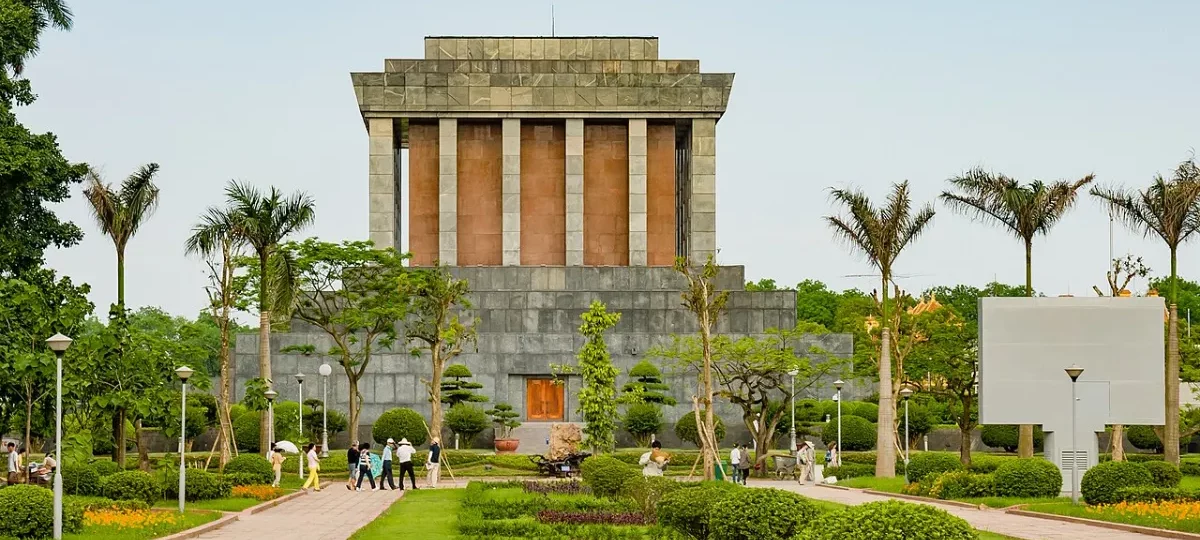
Ho Chi Minh Mausoleum for Muslim Visitors: Etiquette, Hours and a Half-Day Plan (2026)
Can Muslim travellers visit the Ho Chi Minh Mausoleum? Yes. The mausoleum on Ba Dinh Square is a national memorial where President Ho Chi Minh lies in state, not a temple, so a visit involves no worship at all. Entry is free, visits run in the morning only, the hall is closed on Mondays and Fridays, and modest dress is required of every visitor, which suits Muslim travellers naturally. This guide focuses on what matters most to Muslim families: etiquette, timing, prayer and halal food nearby.
Important for 2026: the mausoleum hall is closed for annual maintenance from 4 September to 2 November 2026 and reopens on 3 November 2026. Ba Dinh Square, the One Pillar Pagoda and the Presidential Palace grounds remain open during the closure.
Why Muslim Travellers Include the Mausoleum in a Hanoi Trip
- No religious act: you walk past the sarcophagus in silence; there is no altar, incense or bowing.
- Dress code you already follow: shoulders and knees covered; a hijab or abaya is fully appropriate.
- Short and structured: the hall visit itself takes only a few minutes, so it fits easily before a halal lunch.
- Close to prayer: Al-Noor Mosque in the Old Quarter is about 10 minutes away by car.
- The heart of modern Vietnam: Ho Chi Minh read the Declaration of Independence on this square on 2 September 1945.
Ho Chi Minh Mausoleum at a Glance
| Address | Ba Dinh Square, Hung Vuong Street, Ba Dinh, Hanoi |
| Open days | Tuesday, Wednesday, Thursday, Saturday and Sunday mornings; closed Monday and Friday |
| Hours (1 Apr – 31 Oct) | 07:30–10:30; weekends and holidays 07:30–11:00 |
| Hours (1 Nov – 31 Mar) | 08:00–11:00; weekends and holidays 08:00–11:30 |
| Annual closure 2026 | 4 September – 2 November (reopens 3 November) |
| Entrance fee | Free for the mausoleum, Ba Dinh Square and One Pillar Pagoda; the Presidential Palace and Stilt House area charges about 40,000 VND for foreign visitors |
| Dress code | Shoulders and knees covered; no caps or hats inside; hijab welcome |
| Time needed | Up to 1 hour including the queue; 2.5–3 hours for the whole complex |
| Nearest mosque | Al-Noor Mosque, 12 Hang Luoc Street, about 2 km |
| Map | Open Ho Chi Minh Mausoleum in Google Maps |
Mausoleum Etiquette: What Muslim Visitors Should Know
The rules at the mausoleum are strict but simple, and they apply to everyone. Most Muslim families find them easy, because modest dress and quiet behaviour are already part of travelling for them.
- Clothing: no shorts, short skirts or sleeveless tops. Long trousers, long dresses, abayas and headscarves are all fine. Guards may refuse entry to anyone not covered.
- Headwear: caps and sun hats come off before the hall. A hijab is religious dress and stays on.
- Silence: no talking, laughing or eating in the queue near the hall and inside it. Keep hands out of pockets and arms uncrossed.
- Bags and cameras: large bags, cameras and drinks go to the free deposit counter before the security check. Phones are allowed but must not be used inside.
- Children: explain beforehand that the hall is quiet and that the walk takes only a few minutes. Strollers stay outside.
A Half-Day Plan for the Ho Chi Minh Complex
The mausoleum is the centrepiece of the wider Ho Chi Minh Complex. For a Muslim family the best plan is a relaxed morning that ends near the Old Quarter for Dhuhr and a halal lunch.
1. The Mausoleum Hall (07:30–08:30)
Arrive at opening time to queue in the cooler hours. Visitors walk two by two through the granite building, completed in 1975, and past the embalmed body of Ho Chi Minh, guarded by soldiers in white or olive uniforms.
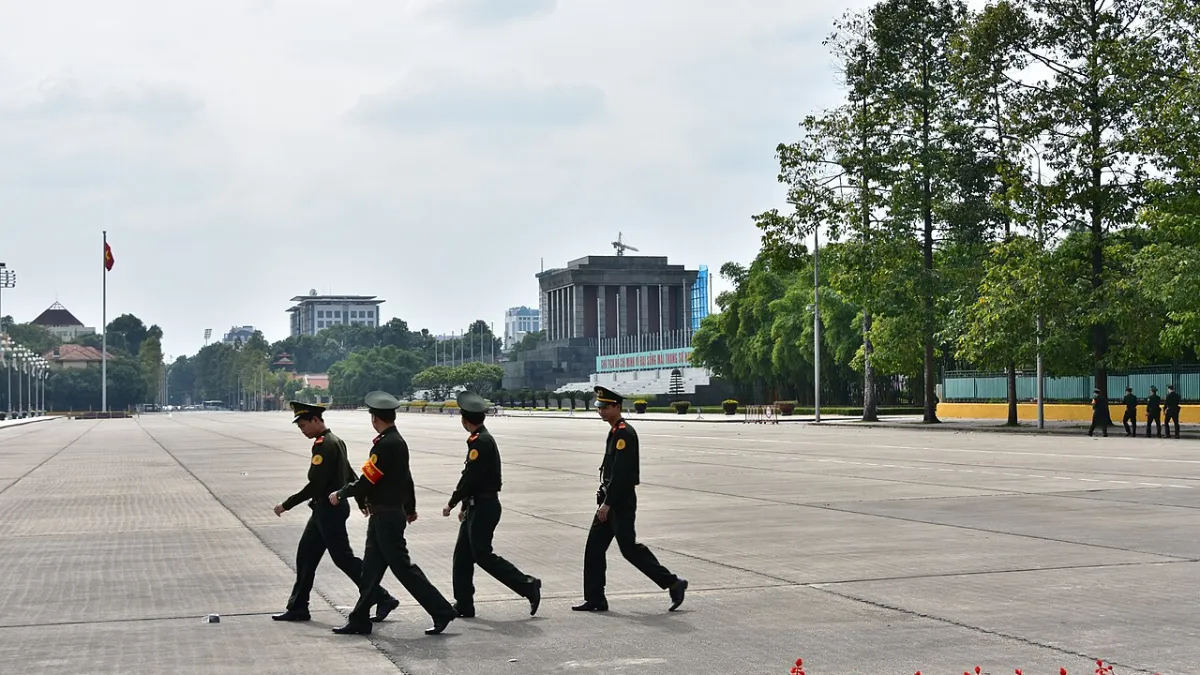
2. Ba Dinh Square and the Honour Guard
The 320-metre square in front of the mausoleum is where independence was declared in 1945. Watch the honour guards march and take family photos from the lawn edge; walking on the grass squares is not allowed.
3. Presidential Palace and the Stilt House
The yellow French-colonial Presidential Palace is seen from the garden only. Ho Chi Minh preferred to live in a simple wooden stilt house by the fish pond, and his desk, books and rooms are kept as he left them. This section is the one with an entrance ticket.
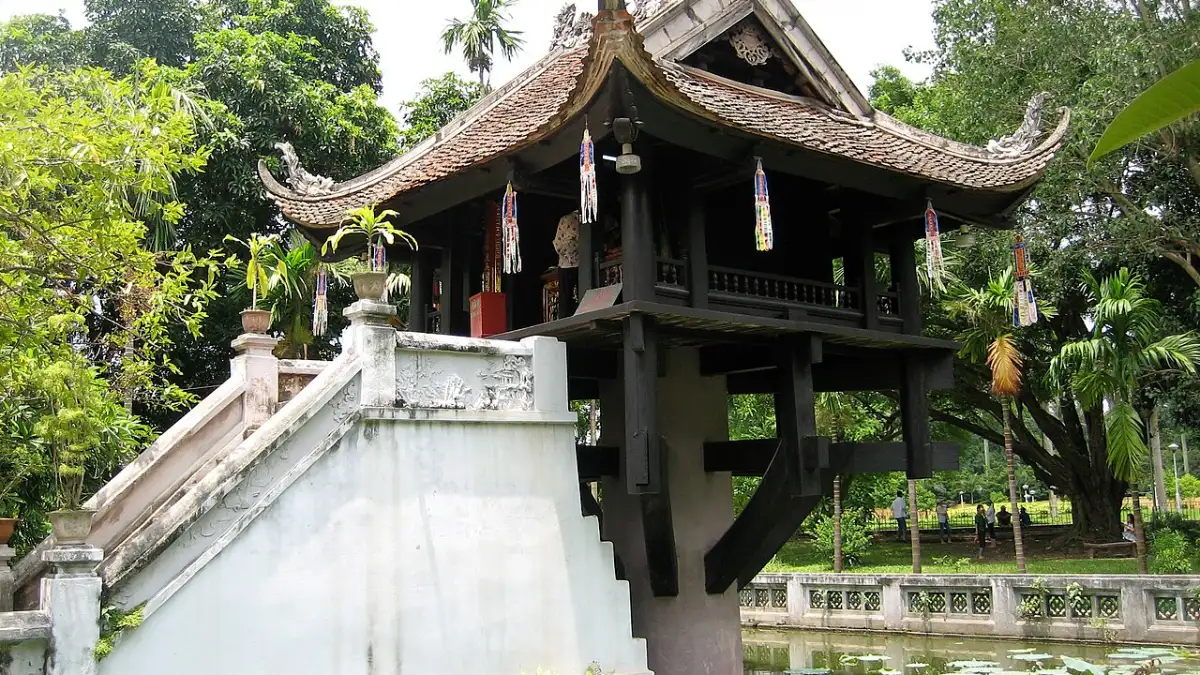
4. One Pillar Pagoda
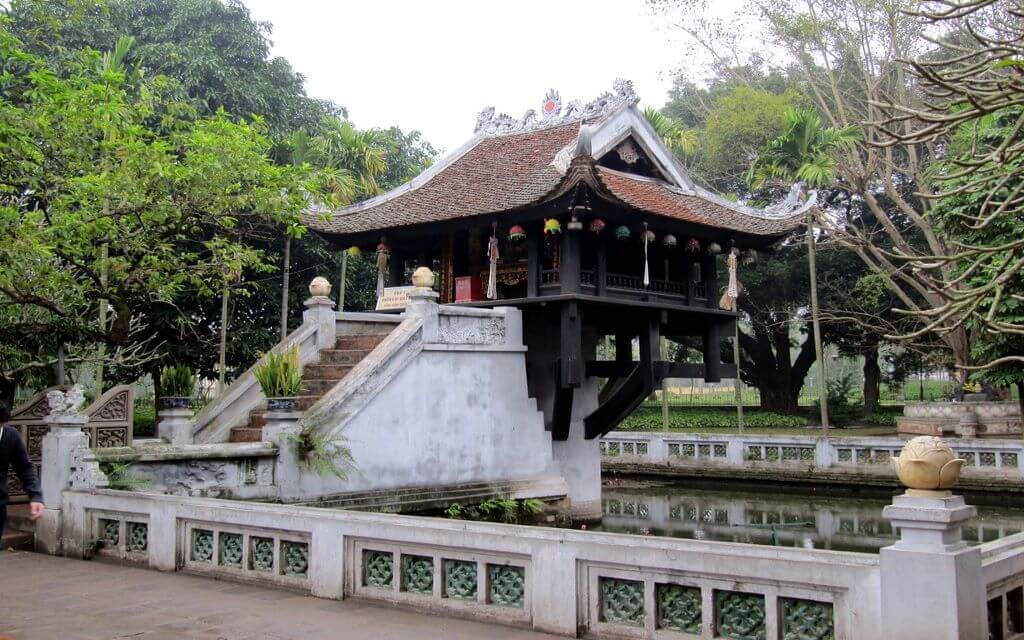
A small wooden shrine built on a single stone pillar in a lotus pond, first raised in 1049. It is a working Buddhist site: Muslim visitors usually view and photograph it from the path without entering the shrine itself.
5. Ho Chi Minh Museum (optional)
Next to the pagoda, the museum tells Ho Chi Minh’s life story with documents and photographs. Families with older children enjoy it; with young children you can skip it and head to lunch.
Prayer and Halal Food Near Ba Dinh Square
There is no prayer room inside the complex. The only mosque in northern Vietnam is Al-Noor Mosque at 12 Hang Luoc Street, in the Old Quarter about 2 km from the square. Our guides plan the morning so you reach the mosque area around midday. For lunch, the certified-halal and Muslim-run restaurants of Hanoi are concentrated in the Old Quarter; read our guide to halal food in Hanoi for the dishes worth trying, and our Hanoi Old Quarter Muslim guide for a walking route that passes the mosque.
How to Get to the Mausoleum
- By car or Grab: about 10–15 minutes from Hoan Kiem Lake. Drivers drop you on Hung Vuong or Ngoc Ha Street near the entrance gate.
- On foot: roughly 35 minutes from the Old Quarter; pleasant early in the morning in the cooler months.
- With a guide: on our Hanoi City Muslim Tour 1 Day the guide handles the queue, deposits and timing for you.
Best Time to Visit and Insider Tips
- Come between October and April for cooler mornings; in summer go at 07:30 sharp before the heat.
- Weekends and Vietnamese holidays bring long queues of domestic visitors; Tuesday to Thursday is quieter.
- Check the annual closure before you book: in 2026 it runs from 4 September to 2 November.
- Carry water for the queue but leave it at the deposit counter before the hall.
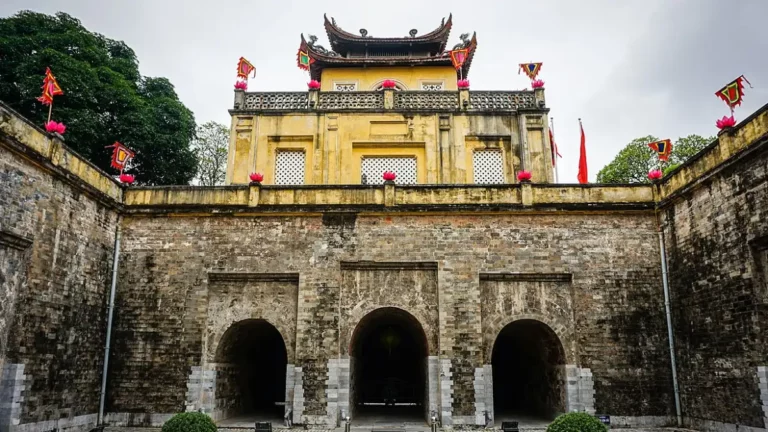
- Combine the morning with the Imperial Citadel of Thang Long (10 minutes away) or the Temple of Literature (about 1.5 km).
Plan Your Visit with Vietnam Muslim Tours
Our private Hanoi tours are built around Muslim travellers: a local English-speaking guide, a schedule that leaves time for prayer at Al-Noor Mosque, and certified-halal meals booked in advance, with a best price guarantee when you book direct. Explore our Hanoi Muslim travel guide, browse Hanoi Muslim tours, or contact our team for a free custom itinerary. We usually reply within 24 hours.
Frequently Asked Questions: Ho Chi Minh Mausoleum for Muslim Visitors
1. Can Muslims visit the Ho Chi Minh Mausoleum?
Yes. The mausoleum is a state memorial, not a place of worship, so visiting involves no religious act. Muslim visitors simply walk past the glass sarcophagus in silence, like every other visitor.
2. Is the Ho Chi Minh Mausoleum open in October 2026?
No. The mausoleum hall is closed for annual maintenance from 4 September to 2 November 2026 and reopens on 3 November 2026. Ba Dinh Square, the One Pillar Pagoda and the Presidential Palace grounds stay open during the closure.
3. Can I wear a hijab inside the mausoleum?
Yes. A hijab, abaya or long dress is fully in line with the dress code. Guards ask visitors to remove caps and hats, cover shoulders and knees, and keep hands out of pockets.
4. How much time do I need for the Ho Chi Minh Complex?
Allow up to 1 hour for the mausoleum queue and hall, and 2.5 to 3 hours for the whole complex with the Presidential Palace, Stilt House, One Pillar Pagoda and Ho Chi Minh Museum.
5. Is the Ho Chi Minh Mausoleum suitable for children?
Yes, as long as children can stay quiet for a few minutes inside the hall. Prams are not taken inside; families usually visit early, before the heat and the longest queues.
6. Where can Muslims pray near Ba Dinh Square?
The nearest mosque is Al-Noor Mosque at 12 Hang Luoc Street in the Old Quarter, about 2 km away and roughly 10 minutes by car. It is the only mosque in northern Vietnam.
7. Where can I eat halal food after visiting the mausoleum?
The certified-halal and Muslim-run restaurants are mostly in and around the Old Quarter, 10 to 15 minutes by car. See our guide to halal food in Hanoi for dishes to try, or let our team book a halal lunch for you.
8. Can I take photos at the Ho Chi Minh Mausoleum?
Photos are allowed on Ba Dinh Square and in the gardens, but not inside the mausoleum hall. Cameras and large bags are left at the free deposit point before the security check.
Photo credits – Ho Chi Minh Mausoleum for Muslim Visitors: CEphoto, Uwe Aranas / CC BY-SA 3.0 via Wikimedia Commons; Ba Dinh Square Honour Guard: Richard Mortel from Riyadh, Saudi Arabia / CC BY 2.0 via Wikimedia Commons; One Pillar Pagoda, Ho Chi Minh Complex: thalling55 / CC BY 2.0 via Wikimedia Commons.
Updated 16 October 2026 by the Vietnam Muslim Tours team in Hanoi. Opening hours and ticket prices were checked against official notices and recent local sources; they can change, so we re-confirm them for every guest before the tour.